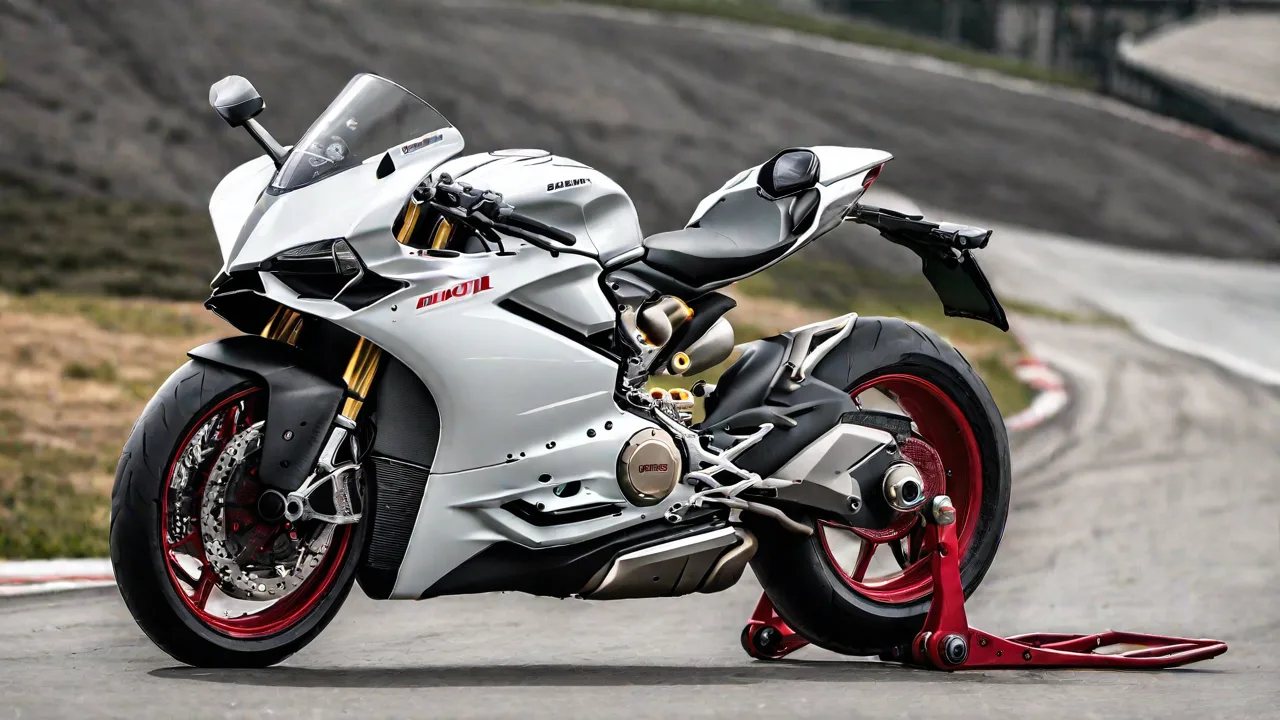
Top 5 Maintenance Tips for Your Ducati Panigale V2 According to Everyday Motorcycles
The Ducati Panigale V2 embodies the pinnacle of Italian sport bike design and performance, combining aggressive styling with cutting-edge technology. To fully enjoy this motorcycle's dynamic capabilities and ensure it remains safe and reliable, diligent maintenance is essential. Proper upkeep not only preserves the Panigale V2’s thrilling performance but also helps prevent costly repairs down the road. Whether you are a seasoned Ducati owner or a new rider, understanding and implementing a comprehensive maintenance routine will keep your bike in peak condition for years to come.
1. Regular Oil Changes: The Lifeblood of Your Engine
Engine oil acts as the lifeblood of your Ducati Panigale V2, lubricating critical components, reducing friction, and carrying away heat. Neglecting oil changes can lead to accelerated engine wear or even severe damage. Ducati recommends changing the oil approximately every 6,000 miles (or 10,000 kilometers) under normal riding conditions, but more frequent changes may be necessary if you often ride aggressively or in dusty environments.
Choosing the Right Oil: Always use high-quality fully synthetic oils that meet Ducati’s specifications. Synthetic oils provide superior thermal stability and maintain viscosity better under the Panigale’s high-revving conditions. Popular choices include oils certified to API SN or higher and SAE 10W-40 or 10W-50 grades, but always consult your owner’s manual for exact requirements.
Oil Filter Replacement: Alongside oil changes, replace the oil filter every time you change the oil. A clogged filter can restrict oil flow and reduce lubrication efficiency. Genuine Ducati or high-grade aftermarket filters are recommended to ensure proper fit and filtration.
Oil Change Procedure Tips:
- Warm up the engine before draining oil to ensure it flows out smoothly and carries away impurities.
- Use a torque wrench to tighten the drain plug and oil filter to the manufacturer’s specifications to avoid leaks or damage.
- Dispose of used oil responsibly by taking it to a certified recycling center.
Keeping your engine oil fresh and clean is one of the simplest yet most effective ways to protect your Panigale V2’s heart.
2. Chain Maintenance: Ensuring Smooth and Efficient Power Delivery
The Panigale V2’s final drive chain is fundamental for transferring power from the engine to the rear wheel. Chains are exposed to dirt, moisture, and mechanical stresses, so consistent care is vital to maintain performance and longevity.
Cleaning the Chain: Clean the chain every 500 miles or more frequently if you ride in wet or dusty conditions. Use a dedicated motorcycle chain cleaner or kerosene with a soft brush to remove grime and old lubricant. Avoid harsh solvents that can damage O-rings or X-rings within the chain.
Lubrication: After cleaning, generously apply a high-quality chain lubricant designed for sport bikes. Lubricants that penetrate the chain links help reduce friction and wear. Spray lubricant evenly along the entire length of the chain, focusing on the inside surfaces.
Chain Tension and Alignment: Proper chain tension is crucial—too tight and you risk damaging sprockets or bearings, too loose and the chain may skip or derail. Ducati’s recommended slack for the Panigale V2 chain is typically around 20-30 mm (0.8-1.2 inches), but always verify with your manual. Adjust tension using the rear axle adjusters and ensure alignment marks are symmetrical to maintain proper sprocket engagement.
Inspecting Chain and Sprockets: Regularly check for signs of wear such as stiff links, rust, or sprocket tooth hooking. Replace the chain and sprockets as a set when wear becomes noticeable to avoid uneven stress and premature failure.
Consistent chain maintenance not only improves acceleration and throttle response but also enhances rider safety by preventing unexpected chain failures.
3. Brake Inspection: Your Key to Safety on Every Ride
Brakes are arguably the most critical safety component on your Ducati Panigale V2, responsible for controlling speed and stopping power with precision. Regular inspection and maintenance ensure that your brakes perform flawlessly when you need them most.
Brake Pads: Check brake pads for thickness and wear at least every 1,000 miles or sooner if you ride aggressively. Most brake pads start at around 5-6 mm thickness and should be replaced before they reach 2 mm to maintain optimal stopping power. Thin pads not only reduce braking efficiency but can damage rotors.
Brake Discs (Rotors): Inspect the brake discs for warping, scoring, or uneven wear. Warped discs can cause brake judder, while deep grooves reduce contact area and braking effectiveness. Measure rotor thickness and compare to Ducati’s minimum specification; replace if below minimum thickness or visibly damaged.
Brake Fluid: Brake fluid absorbs moisture over time, which lowers its boiling point and can cause brake fade under hard braking. Ducati recommends changing brake fluid every two years or sooner if the fluid appears dark or contaminated. Use brake fluid meeting DOT 4 specifications and bleed the system to remove air bubbles for consistent pedal feel.
Brake Lines and Components: Inspect brake lines for cracks or leaks and ensure calipers move freely without sticking. Use genuine Ducati brake pads and fluid for best compatibility and performance.
Maintaining your braking system not only preserves your safety but also enhances your confidence and control on every ride.
4. Tire Care: Maximizing Grip and Ride Quality
The Ducati Panigale V2’s tires are the only contact points between rider and road, making their maintenance essential for traction, handling, and overall safety.
Checking Tire Pressure: Check tire pressure before every ride using a reliable gauge. Underinflated tires can cause sluggish handling and increased wear, while overinflated tires reduce contact patch and grip. Ducati typically recommends pressures around 42 psi front and 42 psi rear for street use, but adjust based on load, riding style, and conditions.
Inspecting Tread and Sidewalls: Examine tires for tread depth, cracks, cuts, or bulges. Sport bike tires usually have a tread depth minimum of around 1.5 to 2 mm, but replacing tires before they reach this limit ensures optimal grip, especially in wet conditions. Sidewall damage can compromise tire integrity and requires immediate attention.
Uneven Wear and Balancing: Uneven tire wear can signal suspension or alignment issues. Monitor wear patterns and have your suspension setup checked if irregularities appear. Additionally, balance tires after replacement to prevent vibrations and improve ride comfort.
Choosing Replacement Tires: When replacing tires, select models that suit your riding style—track-oriented tires for aggressive sport riding, or sport-touring tires for more road comfort. Brands like Pirelli, Michelin, and Dunlop offer specific tires tailored for the Panigale V2’s performance profile.
Proper tire maintenance directly affects your ability to corner confidently, brake effectively, and enjoy the full performance potential of your Ducati.
5. Battery Health: Ensuring Reliable Starts and Electronics
The battery powers your Panigale V2’s ignition, lights, and electronic systems. Maintaining battery health is crucial for dependable starts and the operation of advanced electronics such as traction control and ABS.
Battery Inspection: Regularly inspect the battery terminals for corrosion, loose connections, or damage. Clean terminals with a wire brush and apply dielectric grease to prevent future corrosion.
Charging and Storage: If you don’t ride frequently or store your bike for extended periods, use a quality trickle charger or battery maintainer to keep the battery charged. This prevents sulfation, a common cause of battery failure due to prolonged low charge.
Battery Replacement: Motorcycle batteries typically last 3-5 years depending on usage and care. If you experience slow cranking, dim lights, or error codes related to electronics, test the battery’s voltage and capacity. Replace with a high-quality AGM or lithium-ion battery designed for your Panigale model to ensure optimal performance and weight savings.
Additional Tips: Disconnect the battery if the bike will be unused for several months, and always follow Ducati’s safety guidelines when handling the battery to avoid short circuits or acid exposure.
Additional Maintenance Considerations for Your Ducati Panigale V2
Beyond these top five tips, several other maintenance tasks contribute to the overall health and performance of your Panigale V2:
Valve Clearance Adjustment
The Panigale V2’s high-performance engine requires precise valve clearance to maintain power and prevent premature wear. Ducati recommends checking and adjusting valve clearances approximately every 12,000 miles (20,000 kilometers). This procedure is complex and often best performed by a qualified Ducati technician due to the need for special tools and technical knowledge.
Coolant System Maintenance
Check coolant levels regularly and replace coolant according to Ducati’s schedule (typically every two years). Using the correct type of coolant prevents corrosion and overheating. Inspect hoses and radiator for leaks or damage.
Suspension Inspection and Adjustment
Ensure the suspension components, including forks and rear shock, are free of leaks and functioning properly. Adjust suspension settings to your riding style and weight to optimize handling and comfort. Have suspension serviced periodically by professionals.
Software Updates and Diagnostics
Modern Ducati motorcycles like the Panigale V2 feature sophisticated electronics and rider aids. Regularly update your bike’s software via authorized Ducati dealers to benefit from performance enhancements and bug fixes. Diagnostic checks can identify potential issues before they become serious problems.
Conclusion
Owning a Ducati Panigale V2 is a thrilling experience, but it also comes with the responsibility of attentive maintenance. By adhering to regular oil changes, diligent chain care, thorough brake inspections, vigilant tire maintenance, and proactive battery management, you ensure your bike remains responsive, safe, and reliable. Coupling these with periodic checks of valve clearances, coolant, suspension, and electronics further enhances longevity and performance.
Whether you enjoy spirited weekend rides or track days, a well-maintained Ducati Panigale V2 delivers exhilarating performance and confidence. Make maintenance a priority, and your Panigale will reward you with years of unforgettable riding adventures.