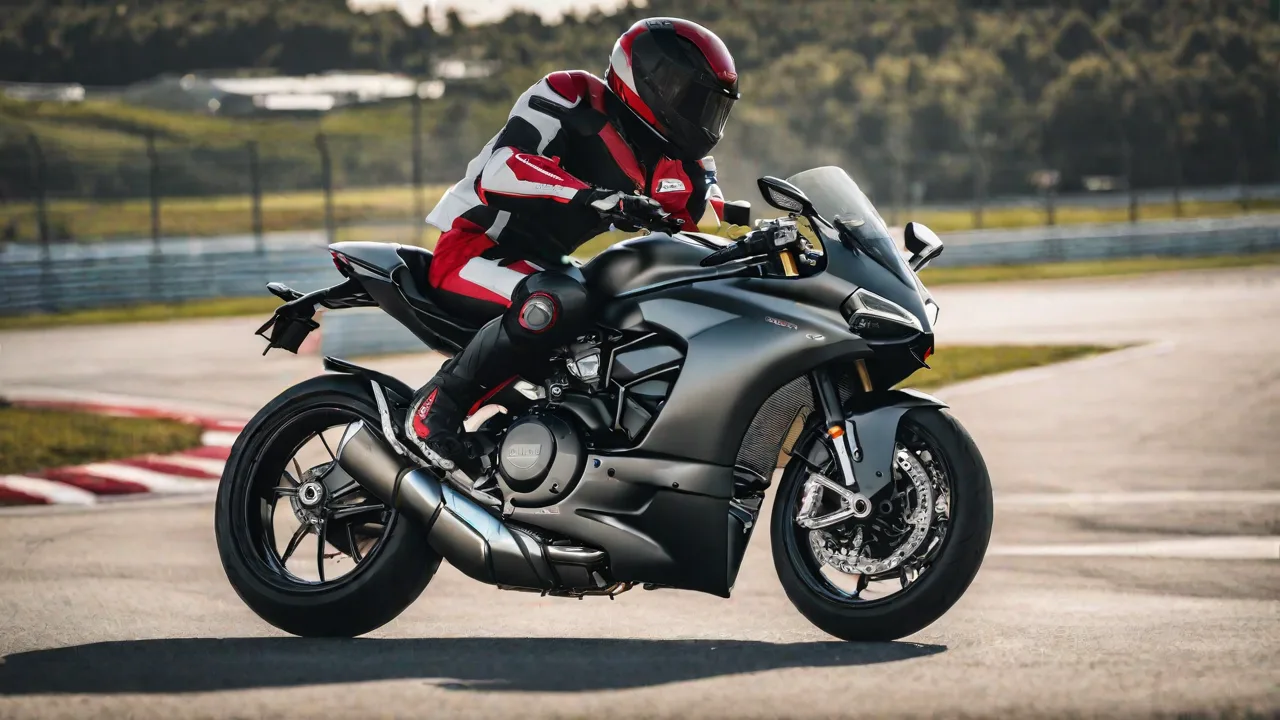
How to Perform a Pre-Ride Inspection on Your Ducati SuperSport: Everyday Motorcycles Step-by-Step
Performing a thorough pre-ride inspection on your Ducati SuperSport is crucial for ensuring a safe, reliable, and enjoyable ride every time you hit the road. This sport bike, known for its blend of Italian styling and performance-oriented engineering, demands regular attention to maintain its optimal condition. A comprehensive check before each ride not only helps prevent unexpected breakdowns but also maximizes your bike’s performance and longevity.
Why a Pre-Ride Inspection is Vital for Your Ducati SuperSport
The Ducati SuperSport is designed for spirited riding, combining sporty handling with comfortable ergonomics. However, like any high-performance motorcycle, it requires diligent maintenance. A pre-ride inspection helps you catch minor issues before they become costly repairs or safety hazards. Whether you’re commuting, touring, or pushing your bike on twisty roads, spending a few minutes to inspect key components can save you from mechanical failures and increase your confidence on the bike.
Moreover, proper maintenance aligns with Ducati’s recommendations, helping maintain your warranty and preserving the resale value of your motorcycle. Regular inspections foster a deeper understanding of your bike’s condition and build good riding habits.
Comprehensive Step-by-Step Pre-Ride Inspection for Your Ducati SuperSport
1. Inspect the Tires
Tires are the only contact point between your Ducati SuperSport and the road, making them arguably the most critical safety component.
- Check Tire Pressure: Use a reliable tire pressure gauge to verify the pressure matches the manufacturer’s recommended levels, found in your owner’s manual or on the bike’s frame sticker. Properly inflated tires ensure optimal grip and handling, especially during aggressive cornering.
- Examine Tread Depth: Inspect the tread for wear indicators and overall depth. Worn or uneven tread can reduce traction and increase the risk of hydroplaning on wet surfaces.
- Look for Damage: Scan the tires for cuts, embedded objects, cracks, or bulges which could indicate internal damage. Replace tires if you notice any such issues.
2. Evaluate the Braking System
The Ducati SuperSport’s braking system is designed for precise and powerful stopping, but it depends on regular checks.
- Test Brake Levers: Squeeze both the front and rear brake levers to ensure they feel firm and responsive. A spongy or soft lever may indicate air in the brake lines or worn components.
- Inspect Brake Pads: Visually check brake pads for thickness. Thin pads (less than 2-3 mm) should be replaced promptly to maintain effective braking.
- Check Brake Fluid Levels: Locate the brake fluid reservoirs and ensure fluid is within the recommended range. Use only the specified brake fluid type as outlined in the owner’s manual.
- Look for Leaks: Examine brake lines and calipers for any signs of fluid leakage, which requires immediate attention.
3. Examine the Chain and Sprockets
The SuperSport’s chain drive transmits power from the engine to the rear wheel, so its condition directly affects performance and safety.
- Check Chain Tension: Consult the owner’s manual for the correct slack measurement and ensure the chain tension falls within this range. Too tight or too loose can cause premature wear or chain derailment.
- Clean and Lubricate: A clean, well-lubricated chain reduces friction and extends lifespan. Use a motorcycle-specific chain cleaner and lubricant, applying evenly along the entire chain.
- Inspect Sprockets: Look for hooked, worn, or broken teeth on the front and rear sprockets, which signal the need for replacement.
4. Verify All Fluid Levels
Maintaining proper fluid levels is essential to prevent engine damage and ensure smooth operation.
- Engine Oil: Use the dipstick or sight glass to check the engine oil level. Top up with the recommended grade and type if necessary, and look for signs of contamination or leakage.
- Coolant: Inspect the coolant reservoir for proper levels. Low coolant can cause overheating and engine damage. Only use the coolant specified by Ducati.
- Brake and Clutch Fluids: Besides brake fluid, also check the clutch fluid if your SuperSport is equipped with a hydraulic clutch system.
5. Test All Lights and Electrical Systems
Good visibility is critical, especially when riding at night or in poor weather conditions.
- Headlights: Turn on the low and high beams to ensure both function correctly.
- Brake Lights: With the brake lever squeezed and rear brake pressed, verify the brake light illuminates brightly.
- Turn Signals: Activate each turn signal to confirm they flash at a consistent rate and the bulbs are functioning.
- Horn: Test the horn to ensure it is loud and audible.
6. Assess Controls and Cables
The responsiveness of your controls directly affects your riding safety and comfort.
- Throttle: Twist the throttle to ensure it snaps back smoothly without sticking or hesitation.
- Clutch Lever: Pull the clutch lever to check for smooth operation and appropriate free play as specified in the manual.
- Brake Lever: Confirm smooth movement without excessive looseness or tightness.
- Cables and Hoses: Inspect for fraying, kinks, cracks, or leaks. Replace damaged cables immediately.
7. Conduct a Visual and Structural Check
A general inspection of the bike’s overall condition can reveal problems not caught in other checks.
- Bolts and Fasteners: Look for any loose or missing bolts on the frame, fairings, footpegs, and handlebars. Tighten or replace as necessary.
- Frame and Bodywork: Scan for cracks, dents, or damage that could compromise structural integrity.
- Suspension: Check for leaks from the front forks and rear shock absorber. Compress the suspension to feel for smoothness without unusual noises or sticking.
- Exhaust System: Inspect for loose mounting points, cracks, or holes that may cause leaks or reduce performance.
8. Confirm Fuel and Battery Status
- Fuel Level: Ensure you have sufficient fuel for your planned ride. Avoid running low to prevent fuel starvation issues.
- Battery Condition: Check that the battery terminals are clean and secure. If your SuperSport has a digital display, verify it powers up correctly.
Additional Tips for Maintaining Your Ducati SuperSport
While the pre-ride inspection covers essential items, regular maintenance beyond these steps is equally important for your Ducati SuperSport’s performance and longevity:
- Scheduled Service Intervals: Follow Ducati’s recommended service schedule for oil changes, valve adjustments, and major inspections.
- Use Genuine Parts and Fluids: Stick to OEM components and recommended fluids to guarantee compatibility and optimal performance.
- Keep Your Owner’s Manual Handy: The manual provides specific guidelines and technical data tailored to your SuperSport model year.
- Store Your Bike Properly: Protect it from extreme weather and keep it clean to prevent corrosion and wear.
Conclusion
Performing a detailed pre-ride inspection on your Ducati SuperSport is a small investment of time that pays huge dividends in safety, reliability, and performance. By systematically checking tires, brakes, chain, fluids, lights, controls, and overall condition, you drastically reduce the risk of mechanical issues and enhance your riding confidence. Make this routine part of your riding preparation to enjoy every twist of the throttle with peace of mind.
If you’re new to motorcycle maintenance or unsure about any step, consider consulting a professional Ducati technician or attending a maintenance workshop. Understanding your SuperSport inside and out not only helps you ride better but also deepens your appreciation for this exceptional sport bike.