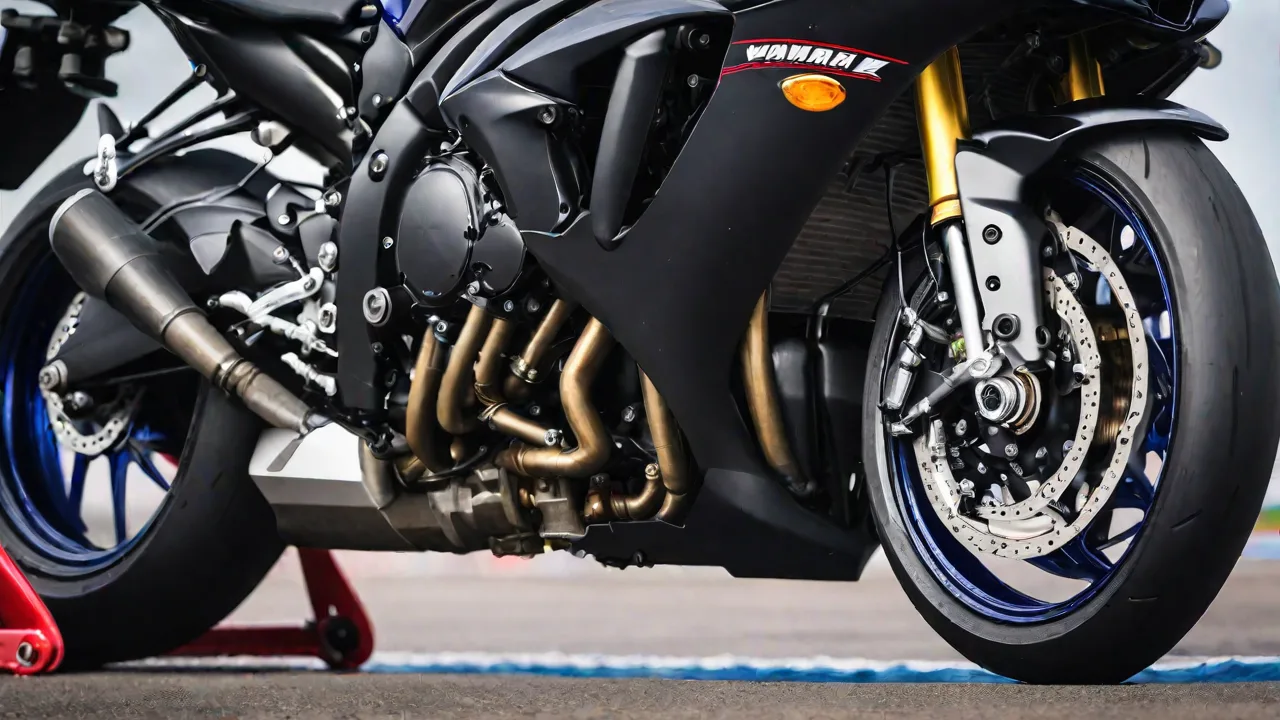
How to Adjust Suspension Settings on Your Yamaha YZF-R1 for Track Days: Everyday Motorcycles Guide
Understanding Suspension Basics on Your Yamaha YZF-R1
When it comes to preparing your Yamaha YZF-R1 for track days, one of the most critical areas to focus on is the suspension setup. The suspension system acts as the bike’s connection to the road, directly affecting handling, stability, and rider confidence. Proper suspension tuning enables you to maximize tire contact with the track surface, absorb bumps efficiently, and maintain control during aggressive cornering and braking. Without proper adjustments, even the most powerful bike can feel unstable or unpredictable on the track.
The Yamaha YZF-R1 is equipped with a sophisticated suspension system designed to be highly adjustable, allowing riders to tailor the ride characteristics to their preferences and the specific demands of different tracks. Understanding the fundamental components of your suspension system and how they interact is essential before making any changes.
Key Suspension Components to Adjust
- Preload: This adjustment alters the initial tension on the fork and shock springs. By increasing preload, you effectively raise the ride height and reduce sag (the amount the suspension compresses under the rider’s weight). Correct sag is crucial for maintaining optimal geometry and ensuring the suspension operates within its ideal travel range.
- Compression Damping: This controls how quickly the suspension compresses when it encounters bumps or during weight transfer events such as braking or hard corner entry. Increasing compression damping makes the suspension firmer, helping to reduce dive and harsh bottoming out.
- Rebound Damping: This regulates the speed at which the suspension extends back after being compressed. Proper rebound settings prevent the suspension from extending too quickly or too slowly, which can affect traction and stability, especially when accelerating out of corners.
Besides these three fundamental adjustments, some YZF-R1 models may also feature additional fine-tuning options such as separate high- and low-speed compression damping adjusters or adjustable fork leg height. While these can further refine suspension performance, mastering preload, compression, and rebound is the best starting point for most track riders.
Before diving into suspension adjustments, it’s important to ensure your tires are at the recommended pressures and warmed up. Cold tires can give misleading feedback about the bike’s handling and suspension behavior, so taking a few warm-up laps is advisable.
Preparing Your Yamaha YZF-R1 for Suspension Adjustment
Before making any changes, a systematic approach to preparation will help you achieve more consistent and meaningful results. Here are some key preparatory steps to consider:
1. Check Tire Pressure and Condition
Track days demand higher tire pressures than street riding to prevent excessive tire deformation and heat buildup. Consult Yamaha’s or the tire manufacturer’s recommended pressures for track use, usually slightly higher than street pressures—often around 30-32 psi cold, adjusted for track temperature. Be consistent with pressures each time you test suspension settings to ensure accurate comparisons.
2. Warm Up the Tires
Cold tires provide less grip and can cause the bike to feel unstable, which may lead you to incorrectly tune the suspension. Take several warm-up laps at a moderate pace to bring the tires up to optimal operating temperature. This will give you reliable feedback on handling and suspension performance.
3. Establish a Baseline Setting
If this is your first time adjusting the suspension, start with Yamaha’s factory recommended settings as a baseline. These settings are designed to suit an average rider weight and general road conditions but may require tailoring for track conditions and rider preferences.
Step-by-Step Suspension Adjustment for Track Days
Adjusting suspension is an iterative process that involves testing, observing, and fine-tuning. Below is a comprehensive guide to help you systematically adjust your Yamaha YZF-R1 suspension for optimal track performance.
Step 1: Set the Sag
What is Sag? Sag is the amount the suspension compresses under the bike’s own weight (static sag) and with the rider on it (rider sag). Proper sag settings ensure the suspension has enough travel left to absorb bumps and maintain tire contact without bottoming out.
- Static Sag: Measure the suspension travel compression with the bike stationary on a stand (no weight on suspension).
- Rider Sag: With the rider seated in full gear and the bike on level ground, measure how much the suspension compresses.
Recommended Sag for Track Days: For the YZF-R1, rider sag typically falls between 30-35mm for both front forks and rear shock, though this can be adjusted based on rider weight and preferences.
How to Adjust: Adjust the preload using the fork caps and rear shock preload collar to achieve the correct sag measurements. Increasing preload raises ride height and reduces sag, while decreasing preload lowers the ride height and increases sag.
Step 2: Adjust Compression Damping
Function: Compression damping controls how quickly the suspension compresses under load. On the track, proper compression damping helps maintain stability during heavy braking, hard corner entries, and over uneven surfaces.
Starting Point: Begin with the compression damping set to the middle of its adjustment range, which is often the factory default.
Adjustment Tips:
- If the bike feels too soft, dives excessively during braking, or bottoms out over bumps, increase compression damping incrementally.
- If the suspension feels harsh or skips over bumps, reduce compression damping slightly.
- Make small changes, typically one or two clicks at a time, to avoid overcorrecting.
Step 3: Adjust Rebound Damping
Function: Rebound damping controls how fast the suspension returns to its normal position after compressing. Proper rebound prevents the bike from "pogoing" or feeling unsettled after bumps or corner exit acceleration.
Starting Point: Like compression, start with rebound damping at the midpoint of its adjustment range.
Adjustment Tips:
- If the bike extends too quickly and feels bouncy or unstable, increase rebound damping (slower rebound).
- If the suspension feels sluggish or packs down after consecutive bumps, reduce rebound damping (faster rebound).
- Test changes on various parts of the track—especially high-speed corners and bumps—to find the ideal balance.
Step 4: Test and Refine Your Settings
After making initial adjustments, take the bike out for several laps to evaluate the feel and performance. Pay attention to key indicators such as:
- Stability under braking and corner entry
- Feedback and grip during mid-corner lean
- Suspension response over bumps and curbs
- Acceleration traction and suspension recovery
Note any tendencies such as excessive dive, harshness, bouncing, or instability. Make incremental adjustments based on your observations, adjusting one setting at a time to isolate effects.
Additional Tips for Suspension Tuning on Track
- Document Your Settings: Keep a detailed log of your suspension settings and track conditions. This helps replicate successful setups and compare changes over time.
- Consider Rider Weight: Heavier riders generally require stiffer preload and damping settings, while lighter riders may benefit from softer setups.
- Adapt to Track Conditions: Rough or bumpy tracks may require softer compression damping to absorb impacts, whereas smooth tracks allow for stiffer setups focused on precision.
- Use a Suspension Technician if Needed: If you’re unsure or want to optimize beyond basic adjustments, professional suspension tuning services can provide custom valving and spring rates.
- Don’t Neglect Other Factors: Suspension tuning works best in conjunction with proper tire choice, tire pressure, and riding technique.
Understanding the Impact of Suspension Adjustments on Riding Dynamics
Each suspension adjustment affects the Yamaha YZF-R1’s behavior in different ways, and understanding these effects will help you make purposeful changes rather than trial and error.
Preload Effects
Adjusting preload changes the bike’s ride height and geometry. Increasing preload raises the bike, often resulting in quicker steering due to a steeper rake angle, but can make the ride harsher. Decreasing preload lowers the ride height, potentially increasing stability but at the risk of bottoming out during aggressive riding.
Compression Damping Effects
Increasing compression damping stiffens the suspension on compression, reducing front-end dive under braking and improving stability. However, too much compression damping can cause the bike to skip over bumps and reduce mechanical grip. Balancing compression damping is key to maintaining traction and rider confidence.
Rebound Damping Effects
Rebound damping controls how quickly the suspension extends. Too little rebound damping causes the suspension to extend too fast, leading to a bouncy feeling and loss of control. Too much rebound damping slows extension, causing the suspension to pack down and lose effectiveness over successive bumps.
Advanced Suspension Tuning Considerations for the Yamaha YZF-R1
For riders seeking to extract maximum performance, the Yamaha YZF-R1 offers advanced suspension features and aftermarket options that can be leveraged for fine-tuning.
Separate High-Speed and Low-Speed Compression Damping Adjustments
Some YZF-R1 models and aftermarket suspension components provide separate adjusters for high-speed and low-speed compression damping. Low-speed controls suspension movement during gradual inputs like braking and cornering forces, while high-speed affects response to sharp impacts and bumps. Separating these allows more precise tuning tailored to specific track conditions.
Spring Rate Selection
Stock springs may not suit all riders, especially those significantly lighter or heavier than average. Upgrading to different spring rates can improve suspension performance by optimizing sag and responsiveness. Choosing the correct spring rate requires knowledge of rider weight and riding style.
Fork Leg Height Adjustment
Adjusting fork leg height changes the bike’s rake and trail, affecting steering geometry and handling characteristics. Raising or lowering the fork legs can make the bike feel more agile or stable depending on the setting.
Electronic Suspension (If Equipped)
Later model YZF-R1 motorcycles might feature electronically adjustable suspension systems. These allow on-the-fly adjustments through control panels or apps, providing multiple preset modes for street, track, and wet conditions. Learning to utilize these systems effectively can enhance your track day experience.
Maintaining Your Suspension for Consistent Performance
Beyond setup and tuning, regular maintenance is essential to keep your Yamaha YZF-R1 suspension performing at its best. Key maintenance tasks include:
- Regular Inspection: Check for oil leaks, damaged seals, or worn bushings.
- Suspension Fluid Changes: Suspension oil degrades over time, affecting damping performance. Follow Yamaha’s service intervals or more frequent changes for track use.
- Spring and Damper Service: Periodically have springs and damping components inspected and serviced by professionals to maintain optimal function.
- Cleanliness: Keep suspension components clean, especially fork stanchions and shock shafts, to prevent seal damage and contamination.
Summary
Adjusting the suspension on your Yamaha YZF-R1 for track days is a vital step toward unlocking the bike’s full potential. By understanding key components like preload, compression damping, and rebound damping, you can customize your setup to suit your weight, riding style, and the demands of the track. A methodical approach—starting with sag adjustment, followed by compression and rebound tuning, and thorough testing—will help you find the perfect balance between comfort, control, and performance.
Remember that suspension tuning is an ongoing process; track conditions, rider experience, and even weather can influence your ideal setup. Maintaining your suspension through regular inspections and servicing will ensure your YZF-R1 remains sharp and responsive lap after lap.
With patience, practice, and attention to detail, you can transform your Yamaha YZF-R1 into a finely tuned track machine capable of delivering thrilling, confident, and fast laps.