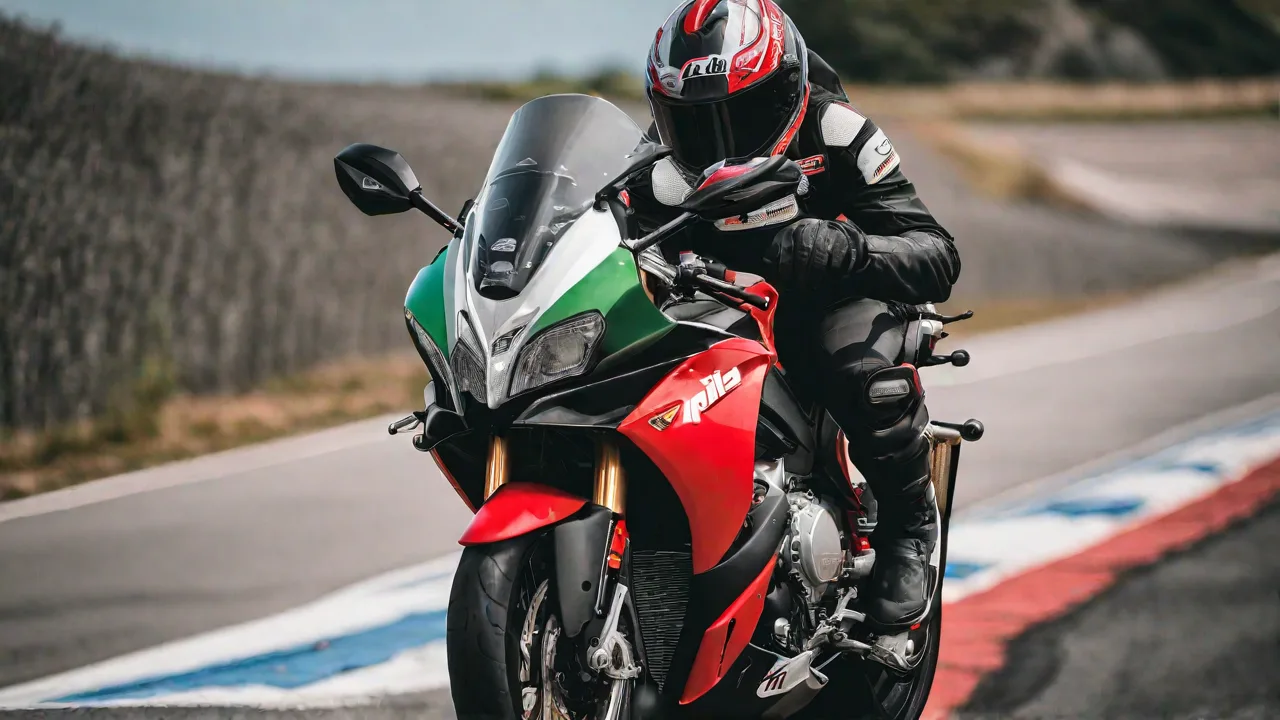
Everyday Motorcycles' Tips for Extending the Life of Your Aprilia RS 125 Engine
The Aprilia RS 125 is a standout sport bike celebrated for its lightweight chassis, agile handling, and spirited performance. Designed to deliver an exhilarating ride, this motorcycle is popular among both beginner and experienced riders who appreciate its blend of style and engineering precision. However, like any high-performance machine, the heart of the RS 125—the engine—requires conscientious care and maintenance to ensure it runs reliably and efficiently over the long term. Understanding how to properly maintain your Aprilia RS 125 engine can dramatically extend its lifespan, improve performance, and save you costly repairs down the road.
Understanding the Aprilia RS 125 Engine
The Aprilia RS 125 features a liquid-cooled, single-cylinder, two-stroke engine that delivers a thrilling balance of power and responsiveness. Two-stroke engines, compared to four-stroke counterparts, operate on a different principle, which means they require specific maintenance considerations. The RS 125’s engine is renowned for its high-revving nature, lightweight design, and ability to produce spirited acceleration in a compact package. However, this performance focus also means the engine components experience significant stresses, making regular upkeep essential.
Knowing the mechanical layout and operational nuances of your RS 125’s engine will help you better appreciate why maintenance tasks such as oil changes, cooling system checks, and air filter care are critical. Below, we delve deeper into the best practices and expert tips to keep your Aprilia RS 125 engine in peak condition.
Comprehensive Tips to Extend Your Aprilia RS 125 Engine Life
1. Regular Oil Changes and Proper Lubrication
One of the most crucial steps in maintaining your Aprilia RS 125 engine is ensuring it is properly lubricated. Unlike four-stroke engines, two-stroke engines like the RS 125 require a precise oil-to-fuel mixture to lubricate internal components. Running the engine with an incorrect mixture can lead to poor lubrication, excessive wear, and ultimately engine failure.
- Use high-quality two-stroke synthetic oil: Synthetic oils provide superior lubrication, reduce carbon buildup, and improve engine cleanliness.
- Follow manufacturer’s oil-to-fuel ratio: Typically, the RS 125 requires a 2% oil mix (50:1 ratio), but always consult your owner’s manual for exact specifications.
- Change oil in separate components if applicable: Some RS 125 models feature an oil injection system that requires periodic oil reservoir checks and top-ups.
- Avoid using low-grade or incorrect oils: Poor quality oils can cause piston ring sticking and scoring, drastically reducing engine life.
Regularly changing the oil mixture and ensuring the correct ratio will help maintain ideal engine temperatures, reduce friction, and prevent premature wear on critical parts such as pistons, cylinders, and bearings.
2. Keep the Cooling System in Optimal Condition
The Aprilia RS 125’s liquid cooling system plays a vital role in preventing engine overheating, which can cause severe damage if left unchecked. Maintaining appropriate coolant levels and ensuring the system is free from blockages is essential.
- Check coolant levels regularly: Inspect the coolant reservoir before rides, especially during hot weather or long trips.
- Use the recommended coolant type: Always use a high-quality, manufacturer-approved antifreeze/coolant mixture to prevent corrosion and freezing.
- Flush and replace coolant periodically: Over time, coolant loses its effectiveness and can become contaminated, so annual flushing is advised.
- Inspect hoses and radiator for leaks or damage: Cracks, leaks, or blockages can reduce cooling efficiency and lead to engine overheating.
- Clean radiator fins: Dirt, bugs, and debris can clog radiator fins, impairing airflow and cooling performance. Gently clean them when needed.
Effective cooling ensures your RS 125 runs at optimal temperatures, preventing heat-related damage such as warped cylinder heads or piston seizure, which are costly to repair.
3. Clean and Maintain the Air Filter for Maximum Airflow
A clean air filter is vital for allowing your engine to “breathe” efficiently. Dirt, dust, and debris can clog the air filter, restricting airflow and causing the engine to run rich (too much fuel relative to air), which reduces performance and increases carbon deposits.
- Inspect the air filter regularly: Depending on your riding environment, check the filter every 1,000 to 2,000 miles or after riding in dusty or off-road conditions.
- Clean foam filters properly: Wash reusable foam filters with a mild detergent, rinse thoroughly, let dry completely, and re-oil with filter oil to trap dust particles effectively.
- Replace paper filters as recommended: Disposable paper filters should be replaced according to the manufacturer’s schedule or earlier if visibly dirty or damaged.
- Seal the airbox correctly: Ensure the air filter is properly seated and sealed within the airbox to prevent unfiltered air from entering the engine.
Maintaining proper airflow through a clean air filter helps improve throttle response, fuel efficiency, and reduces engine wear caused by abrasive particles.
4. Ride Smoothly and Avoid Over-Revving, Especially When Cold
While the RS 125 is designed for spirited performance, it’s important to adopt mindful riding habits to prolong engine life. Sudden acceleration, excessive revving, and hard running when the engine is cold can accelerate wear and stress on internal components.
- Warm up the engine before pushing it hard: Allow the engine to reach operating temperature by riding gently for the first few minutes.
- Avoid high RPMs during cold starts: Cold oil is thicker and less effective at lubrication, so revving high immediately can cause damage.
- Shift gears smoothly: Use the clutch and throttle judiciously to avoid shock loads on the transmission and engine.
- Don’t ride at redline constantly: While the engine can handle high revs, continuous redline operation can cause overheating and accelerated wear.
- Allow engine cooldown after aggressive riding: After spirited runs, let the bike idle for a minute before shutting off to prevent heat soak and potential warping.
Developing good riding habits not only extends engine life but also helps you enjoy a smoother, safer ride with better control and fuel economy.
5. Regularly Inspect and Replace Spark Plugs for Optimal Combustion
Spark plugs are small but critical components that ignite the air-fuel mixture in the combustion chamber. Over time, plugs can wear, become fouled, or degrade, leading to poor combustion, misfires, and increased engine strain.
- Check spark plugs every 3,000 to 5,000 miles: Remove and inspect plugs for signs of wear, carbon buildup, or damage.
- Use the correct spark plug type: Consult your owner’s manual for the recommended plug model and heat range.
- Replace plugs as needed: If plugs show signs of fouling (black, oily deposits) or electrode wear, replace them promptly.
- Ensure proper gap settings: Use a feeler gauge to maintain the correct gap for efficient ignition and smooth running.
- Check ignition timing if performance issues arise: Incorrect timing can cause plug fouling and engine knocking.
Consistent spark plug maintenance ensures efficient combustion, smoother throttle response, better fuel economy, and less stress on your engine.
Additional Maintenance Practices to Maximize Engine Longevity
6. Monitor and Adjust Carburetor Settings
The RS 125’s carburetor plays a vital role in mixing air and fuel before combustion. Over time, carburetor jets can clog, or settings can drift, affecting engine performance and potentially causing damage.
- Clean carburetor regularly: Remove and clean jets and passages to prevent blockages, especially if the bike has been stored or ridden in dusty areas.
- Check and adjust the air-fuel mixture: Proper tuning ensures the engine runs neither too lean (risking overheating) nor too rich (causing fouling and poor performance).
- Synchronize carburetor components: Ensure smooth throttle response and balanced fuel delivery.
- Professional tuning: Consider periodic professional carburetor services for optimal settings, especially if you notice hesitation or sluggishness.
7. Maintain the Exhaust System and Expansion Chamber
The RS 125’s two-stroke engine relies on an expansion chamber exhaust system designed to optimize power output. Keeping this system in good shape is vital for engine health and performance.
- Inspect for cracks or leaks: Exhaust leaks can reduce performance and damage engine components.
- Clean carbon deposits: Two-stroke engines tend to accumulate carbon in the exhaust; periodic cleaning prevents blockages.
- Check mounting points: Ensure exhaust components are securely mounted to avoid vibrations that can harm the engine.
8. Use Quality Fuel and Avoid Contaminants
Fuel quality directly affects engine performance and longevity. Using fresh, high-octane fuel reduces the likelihood of engine knocking and internal deposits.
- Refuel from reputable stations: Avoid contaminated or stale fuel that can clog carburetors and injectors.
- Add fuel stabilizers if storing bike long-term: Prevents fuel degradation and varnish formation.
- Drain carburetor if storing for extended periods: Prevents gumming and blockages in the fuel system.
Seasonal and Long-Term Maintenance Considerations
Beyond routine tasks, consider these seasonal and long-term maintenance steps to further protect your Aprilia RS 125 engine:
- Winter storage preparation: Use a fuel stabilizer, fog the engine cylinders with fogging oil, and store the bike in a dry, temperature-controlled environment.
- Regularly inspect engine mounts and seals: Vibrations and wear can loosen mounts and cause oil leaks.
- Periodic professional servicing: Take your RS 125 to a certified mechanic for in-depth inspections and adjustments every 12,000 miles or annually.
Conclusion: Consistent Care Equals Long-Term Performance
Maintaining the engine of your Aprilia RS 125 is a rewarding investment that pays dividends in reliability, safety, and riding enjoyment. By following the detailed tips outlined above—ranging from precise oil mixing and cooling system upkeep to mindful riding habits and regular spark plug inspections—you can significantly extend your bike’s engine life.
Regular maintenance not only preserves the signature performance of the RS 125 but also helps you avoid unexpected breakdowns and costly repairs. Remember, the key to maximizing the lifespan of your sport bike’s engine lies in consistency and attention to detail. With proper care, your Aprilia RS 125 will continue to deliver exhilarating rides mile after mile, season after season.
For more in-depth guides and expert advice on motorcycle maintenance and performance upgrades, visit Everyday Motorcycles.