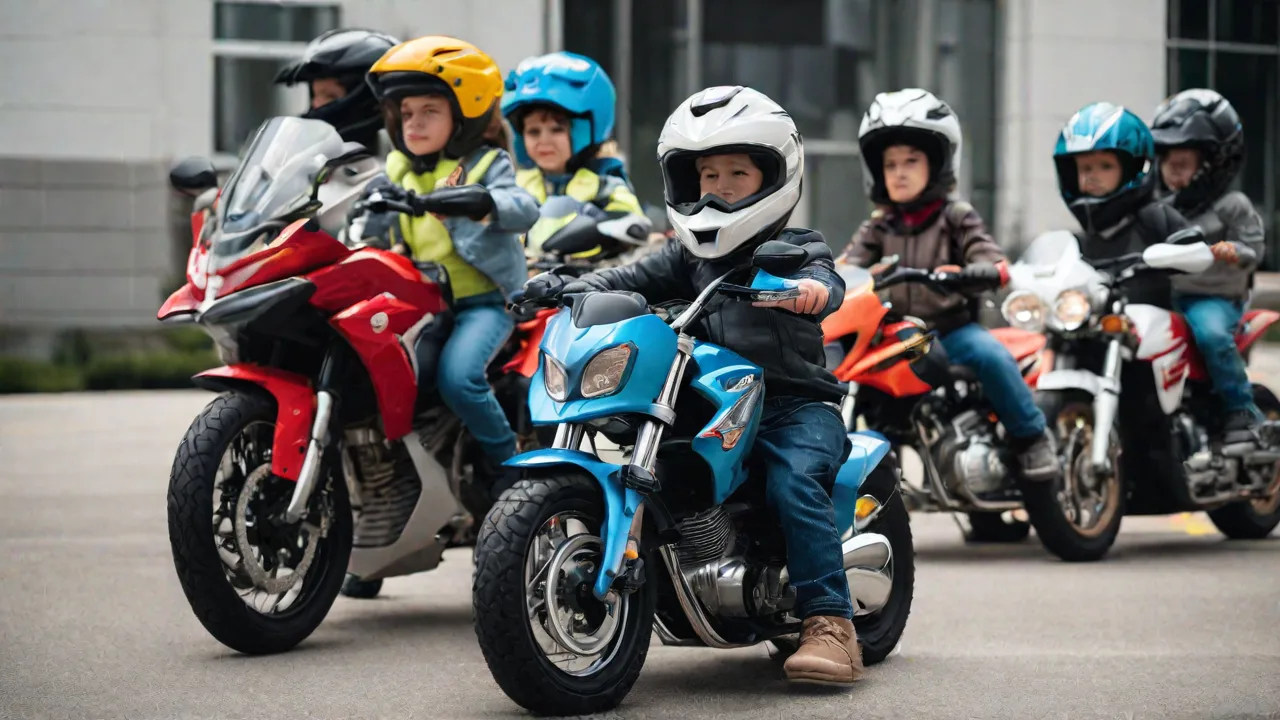
Everyday Motorcycles Kids Safety Gear: Protecting Young Riders on Two Wheels
Introducing children to the thrilling world of motorcycles can be an exciting adventure for families, but it also brings with it a serious responsibility to ensure their safety. Young riders are more vulnerable to injuries due to their developing coordination and smaller stature, making the right safety gear essential. At Everyday Motorcycles, we prioritize the protection of young enthusiasts by highlighting the critical role that proper kids’ motorcycle safety gear plays in safeguarding them on every ride.
Why Kids Safety Gear Is Essential
Motorcycling is inherently riskier than many other activities, especially for children who are still mastering balance, control, and road awareness. Unlike adults, kids have less physical strength and slower reaction times, which means they require specialized gear designed to provide maximum protection without compromising comfort or mobility. Proper safety equipment not only reduces the risk of serious injuries but also builds confidence, encouraging young riders to develop good habits and enjoy riding responsibly.
Every piece of safety gear serves a unique purpose, working together to create a comprehensive protective system. From impact absorption to abrasion resistance and weather protection, quality gear helps mitigate common risks associated with motorcycle riding. Furthermore, wearing the right equipment sets a positive example, establishing safety as a fundamental part of the riding culture from an early age.
Comprehensive Guide to Essential Safety Gear for Kids
1. Helmets: The Cornerstone of Protection
The helmet is undeniably the most vital piece of safety gear for any motorcyclist, especially children. A well-fitted helmet drastically reduces the risk of head trauma in the event of a crash. For kids, selecting a helmet that meets established safety standards like DOT (Department of Transportation) or Snell certification ensures that the helmet has passed rigorous impact and penetration tests.
Key Considerations for Kids’ Helmets:
- Proper Fit: Children’s helmets should fit snugly without causing discomfort. A loose helmet won’t provide adequate protection and may even come off during an accident.
- Weight: Lightweight helmets reduce neck fatigue and make it easier for kids to wear the helmet for extended periods.
- Ventilation: Good airflow prevents overheating and keeps young riders comfortable during long rides or warm weather.
- Full-Face vs. Open-Face: A full-face helmet offers the best protection by covering the entire head and face, including the chin, which is vulnerable during impacts.
- Visibility: Bright colors and reflective elements on helmets improve the rider’s visibility to others on the road, enhancing safety.
2. Protective Clothing: More Than Just Style
Kids need durable clothing that can withstand the rigors of riding and offer substantial protection against abrasions and impacts. Motorcycle jackets and pants designed for children typically feature abrasion-resistant textiles such as leather or specialized synthetic fibers like Cordura. Many come equipped with built-in armor inserts at critical points like the elbows, shoulders, knees, and hips to absorb shocks and reduce injury severity.
Features to Look for in Kids’ Riding Apparel:
- Impact Armor: Removable CE-approved armor provides targeted protection while allowing for flexibility.
- Adjustable Fit: Adjustable straps or closures help accommodate growth and ensure a secure fit.
- Weather Resistance: Water-resistant or waterproof materials keep young riders dry and comfortable in changing weather conditions.
- Visibility Enhancements: Reflective piping or panels increase visibility during low-light conditions.
- Layering Compatibility: Clothing that works well with additional layers allows kids to adapt to seasonal changes.
3. Gloves: Protecting Hands and Enhancing Control
Hands are particularly prone to injury during falls, and gloves are essential for protecting delicate skin from abrasions, cuts, and bruises. Beyond protection, gloves improve grip on the handlebars and controls, which is critical for safe maneuvering. For children, gloves should be lightweight yet sturdy and offer good dexterity to handle throttle, brakes, and clutch effortlessly.
Important Features in Kids’ Motorcycle Gloves:
- Padding and Reinforcement: Knuckle guards and padded palms protect against impacts and vibrations.
- Breathability: Ventilated gloves help keep hands dry and comfortable.
- Secure Closure: Adjustable wrist straps prevent gloves from slipping off during rides or in a fall.
- Material: Durable leather or synthetic fabrics that resist tearing but remain flexible.
4. Boots: Stability and Protection from the Ground Up
Proper footwear is crucial for young riders to maintain balance and control, as well as to protect against foot and ankle injuries. Motorcycle boots designed for kids should cover the ankles fully, offer reinforced toes and heels, and provide good traction on various surfaces.
Key Boot Features for Kids:
- Ankle Support: High-top designs protect ankles from twisting and impacts.
- Durable Soles: Non-slip rubber soles improve grip on footpegs and the ground.
- Reinforcement: Steel or composite toe caps and heel reinforcements shield vulnerable areas.
- Comfort and Fit: Padded interiors and adjustable closures ensure that boots fit snugly without causing discomfort.
- Weather Protection: Waterproof or water-resistant boots keep feet dry during wet rides.
5. Eye Protection: Clear Vision for Safety
Protecting a young rider’s eyes is essential to prevent distractions, discomfort, and potential injuries caused by flying debris, insects, wind, or dust. Depending on the helmet style, kids can use either goggles or helmets equipped with integrated visors.
Choosing the Right Eye Protection:
- Goggles: Ideal for off-road or dirt bike riders, goggles provide a secure fit and wide field of vision.
- Visors: Full-face helmets with clear or tinted visors offer all-in-one protection and convenience.
- Anti-Fog Coatings: Prevent fogging and maintain visibility in humid or cold conditions.
- UV Protection: Sunglass-style visors or goggles with UV protection safeguard young eyes from harmful sun rays.
Additional Safety Tips for Parents and Guardians
Beyond equipping kids with the right gear, parents and guardians must take active roles in fostering a safe riding environment. This includes:
- Regular Gear Inspections: Check all equipment routinely for signs of wear, damage, or improper fit. Replace gear immediately if it no longer meets safety standards or fits properly.
- Proper Training: Enroll children in motorcycle safety courses tailored for young riders. Learning proper techniques and road rules builds both competence and confidence.
- Supervised Riding: Always supervise young riders, especially beginners. Start in safe, controlled environments like closed tracks or designated practice areas before venturing onto public roads.
- Setting Rules: Establish clear guidelines for speed limits, riding locations, and buddy systems to reinforce discipline and safety awareness.
- Encouraging Communication: Foster open dialogue about riding experiences, challenges, and concerns to continuously improve safety practices.
Choosing Quality Kids Safety Gear: What to Look For
When shopping for children’s motorcycle safety gear, quality should never be compromised. Select reputable brands known for meeting or exceeding safety certifications. While cost is a consideration, investing in well-made protective gear is invaluable for safeguarding young riders.
Tips for Selecting Gear:
- Check Certifications: Look for gear certified by trusted organizations such as DOT, Snell, CE (Conformité Européenne), or ASTM.
- Proper Sizing Charts: Use manufacturer sizing guides and measure children carefully to ensure the best fit.
- Try Before Buying: Whenever possible, have kids try on gear to assess comfort, mobility, and ease of use.
- Read Reviews: Research customer feedback for insights on durability, protection, and overall satisfaction.
Maintaining Kids Motorcycle Safety Gear
Proper care extends the life and effectiveness of safety gear. Parents should follow manufacturer instructions for cleaning, storage, and maintenance:
- Cleaning: Use mild detergents and avoid harsh chemicals that can degrade materials.
- Storage: Store gear in a cool, dry place away from direct sunlight to prevent fading and material breakdown.
- Inspection: Routinely check helmets for cracks, straps for fraying, and armor for damage.
- Replacement: Helmets should typically be replaced every 3-5 years or immediately after a significant impact.
Building Confidence Through Safety
Equipping kids with the right safety gear is only part of creating a positive motorcycling experience. Encouraging skill development, patience, and respect for the road environment helps children grow into responsible riders. When kids feel safe, comfortable, and supported, they are more likely to enjoy motorcycling and develop lifelong safe riding habits.
Everyday Motorcycles is committed to helping families find the best kids safety gear and offers expert guidance on making informed choices. Whether your child is just starting out on a small dirt bike or progressing to more advanced machines, prioritizing safety gear protects their future on two wheels.
For more information on selecting the right motorcycle gear for kids, training resources, and safety tips, visit our Motorcycle Accessories and Gear section.