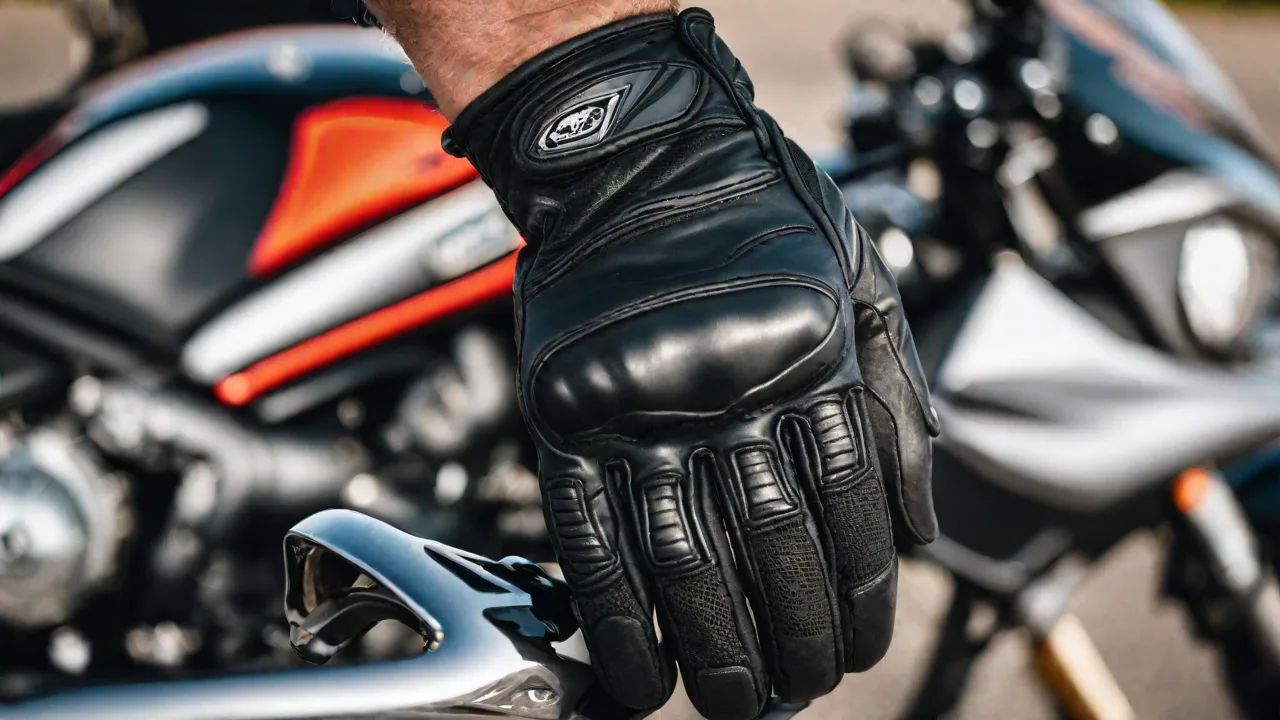
How to Choose the Perfect Riding Gloves for Your Everyday Motorcycles Adventure
Choosing the perfect riding gloves is a critical decision for every motorcycle enthusiast, especially those who embark on everyday adventure or dual-sport rides. Gloves are more than just an accessory; they are a fundamental part of your protective gear that safeguards your hands from a variety of hazards while improving your overall riding experience. From shielding your hands against harsh weather conditions and road debris to enhancing grip and control, the right gloves can significantly contribute to a safer, more comfortable, and enjoyable ride.
Why Riding Gloves Are Essential for Every Motorcyclist
Hands are among the most vulnerable parts of your body when riding a motorcycle. In the event of an accident or fall, exposed hands can suffer severe abrasions, fractures, or lacerations. Beyond protection, gloves also play a vital role in maintaining control of your bike. Good gloves improve grip on the handlebars by reducing slippage caused by sweat or rain, allowing for smoother acceleration, braking, and gear shifting. Additionally, gloves act as a barrier against wind chill, rain, sunburn, and cold temperatures, all of which can cause discomfort or impair your ability to ride safely.
For adventure and dual-sport riders who often face varying climates and terrain, selecting the right gloves becomes even more important. The gloves you wear need to be versatile enough to handle everything from dusty trails to pouring rain, and from hot summer days to chilly mountain mornings.
Key Factors to Consider When Selecting Riding Gloves
- Material: The choice of material directly affects the durability, comfort, and functionality of your gloves.
- Leather: Traditional leather gloves are favored for their excellent abrasion resistance and durability. They conform well to the hand over time, offering a snug fit. High-quality leather, such as cowhide or goatskin, provides superior protection, especially in the knuckle and palm areas. Some leather gloves incorporate additional protective armor or padding for enhanced safety.
- Textile: Textile gloves, often made from synthetic fibers like nylon, polyester, or mesh, offer superior breathability and are usually lighter in weight. Many textile gloves are waterproof or water-resistant, making them ideal for wet riding conditions. They tend to dry faster than leather gloves and often include reflective panels for better visibility.
- Hybrid: Some gloves combine leather and textile materials to optimize protection, ventilation, and flexibility. For example, leather on the palm and knuckles with textile inserts on the fingers or back of the hand.
- Fit: Proper fit is paramount to ensure comfort and control. Gloves that are too tight can restrict circulation and movement, while gloves that are too loose can cause discomfort and reduce tactile feedback.
- Measure the circumference of your palm (excluding the thumb) to determine your size, and always refer to the manufacturer's sizing chart.
- Look for gloves with pre-curved fingers that mimic the natural shape of your hand, which reduces fatigue during long rides.
- Adjustable wrist closures, such as Velcro straps or buckles, help secure the glove and prevent it from slipping off in the event of an accident.
- Protection: The primary function of riding gloves is to protect your hands. Key protective features to look for include:
- Reinforced knuckles: Hard or padded knuckle protectors shield the hands from impacts and abrasions.
- Padded palms: Extra padding absorbs vibration and cushioning during long rides or rough terrain, enhancing comfort and reducing fatigue.
- Finger protection: Some gloves include additional armor or double-layered materials on the fingers to guard against injuries.
- Wrist protection: Extended cuffs with secure closures protect the wrist and lower forearm from scrapes and the elements.
- Weather Suitability: Adventure and dual-sport riders often face a range of weather conditions, making it essential to choose gloves appropriate for your typical riding environment.
- Summer gloves: Lightweight gloves with mesh panels or perforations provide excellent ventilation to keep your hands cool while still offering adequate protection.
- Winter gloves: Insulated gloves with thermal lining protect against cold temperatures and wind chill. Look for gloves with waterproof membranes and windproof layers to keep your hands dry and warm.
- Rain gloves: Waterproof gloves or over-gloves made from Gore-Tex or similar materials keep your hands dry without compromising dexterity.
- All-season gloves: Some gloves are designed with removable liners or adjustable ventilation to adapt to changing conditions.
- Touchscreen Compatibility: Modern riders often use GPS devices or smartphones while on the road. Gloves featuring touchscreen-compatible fingertips allow you to operate these devices without removing your gloves, enhancing convenience and safety.
- Additional Features:
- Reflective elements: Increase your visibility to other motorists during low-light conditions.
- Pre-curved fingers: Reduce hand fatigue by aligning with the natural grip position.
- Stretch panels: Improve flexibility and movement.
- Ventilation zippers or perforations: Enhance airflow in warm weather.
- Easy on/off design: Features like pull tabs or wide cuffs simplify wearing and removal.
Types of Riding Gloves for Everyday Motorcycles Adventure
Full-Finger Gloves
Full-finger gloves provide comprehensive coverage and protection for your entire hand, making them the most common type for adventure riders. They are ideal for riding in varying weather and terrain conditions and offer the best defense against injuries.
Short Gloves
Short or half-finger gloves offer less protection but greater ventilation, typically favored by riders in hot climates or for short urban trips. However, they are generally not recommended for off-road or long-distance adventure riding due to reduced protection.
Gauntlet Gloves
Gauntlet gloves feature extended cuffs that cover part of the forearm, offering additional protection from wind, rain, and debris. They are especially popular among touring and adventure riders who spend long hours on the road or trail.
Off-Road Gloves
Designed specifically for dirt biking and trail riding, off-road gloves emphasize flexibility, breathability, and grip. They usually have lightweight materials and reinforced areas to protect against brush and impacts.
How to Choose Gloves Based on Your Riding Style
Your riding style and environment heavily influence which gloves are the best fit for your needs.
- Commuters: If you primarily ride in urban settings, look for gloves that balance protection and comfort with features like touchscreen compatibility and reflective panels for visibility in traffic.
- Adventure and Dual-Sport Riders: Versatility is key. Choose gloves that offer solid protection, weather resistance, and durability for mixed on- and off-road conditions. Consider gloves with waterproof membranes and reinforced protection for rough terrain.
- Touring Riders: Comfort during long rides is crucial. Look for gloves with ample padding to reduce vibration and fatigue, windproof and waterproof features, and extended cuffs to keep out elements.
- Off-Road Riders: Opt for gloves that prioritize breathability and flexibility while still providing protection from impacts and abrasion. Lightweight and durable materials are a must.
- Sport Bike Riders: Typically prefer gloves with maximum protection such as carbon fiber knuckle armor and slick aerodynamic designs that reduce drag.
Tips for Maintaining Your Riding Gloves
Proper care and maintenance not only preserve the appearance of your gloves but also extend their protective capabilities and lifespan. Here are some essential tips to keep your gloves in top condition:
- Cleaning Leather Gloves: Use a soft, damp cloth to wipe away dirt and grime after each ride. Avoid soaking leather gloves in water. Apply leather conditioner periodically to keep the material supple and prevent cracking.
- Cleaning Textile Gloves: Many textile gloves are machine washable; however, always check the manufacturer’s care instructions first. Use a gentle cycle with mild detergent and avoid bleach or fabric softeners.
- Drying: Never use direct heat sources such as radiators or hair dryers to dry your gloves, as excessive heat can damage materials and cause shrinkage. Instead, air dry them naturally in a shaded, ventilated area.
- Storage: Store gloves in a cool, dry place away from direct sunlight, which can fade colors and degrade materials over time. Avoid folding gloves in ways that might crease or weaken protective armor.
- Inspection: Regularly inspect your gloves for signs of wear and tear, such as thinning material, loose stitching, or damaged protective elements. Replace gloves immediately if they no longer offer adequate protection.
Additional Considerations When Buying Riding Gloves
Budget and Value
Riding gloves come in a wide range of price points. While it can be tempting to opt for cheaper models, remember that gloves are a critical safety item. Investing in high-quality gloves with proven protective features can save you from costly injuries. Look for reputable brands with good reviews and safety certifications.
Trying Before Buying
If possible, try on gloves at a motorcycle gear store to assess fit and comfort firsthand. Pay attention to fingertip sensitivity, wrist adjustability, and overall feel. Online purchases should be made with clear return policies to ensure you can exchange gloves that don’t fit properly.
Compatibility With Other Gear
Consider how your gloves will work in conjunction with other gear such as jacket sleeves and helmet controls. Gloves with gauntlet cuffs should fit well under or over your jacket sleeves to prevent exposure. Also, check that gloves do not interfere with operating your bike's controls or electronics.
Conclusion
Choosing the perfect riding gloves for your everyday motorcycle adventures requires careful consideration of material, fit, protection, weather suitability, and additional features like touchscreen compatibility. Whether you are a commuter, an off-road adventurer, or a long-distance tourer, the right gloves will protect your hands, enhance your comfort, and improve your control, making every ride safer and more enjoyable.
Remember to maintain your gloves properly and replace them when they show signs of significant wear. Investing time and effort into selecting quality gloves tailored to your riding style and environment ensures that your hands remain protected, comfortable, and ready for every journey ahead.