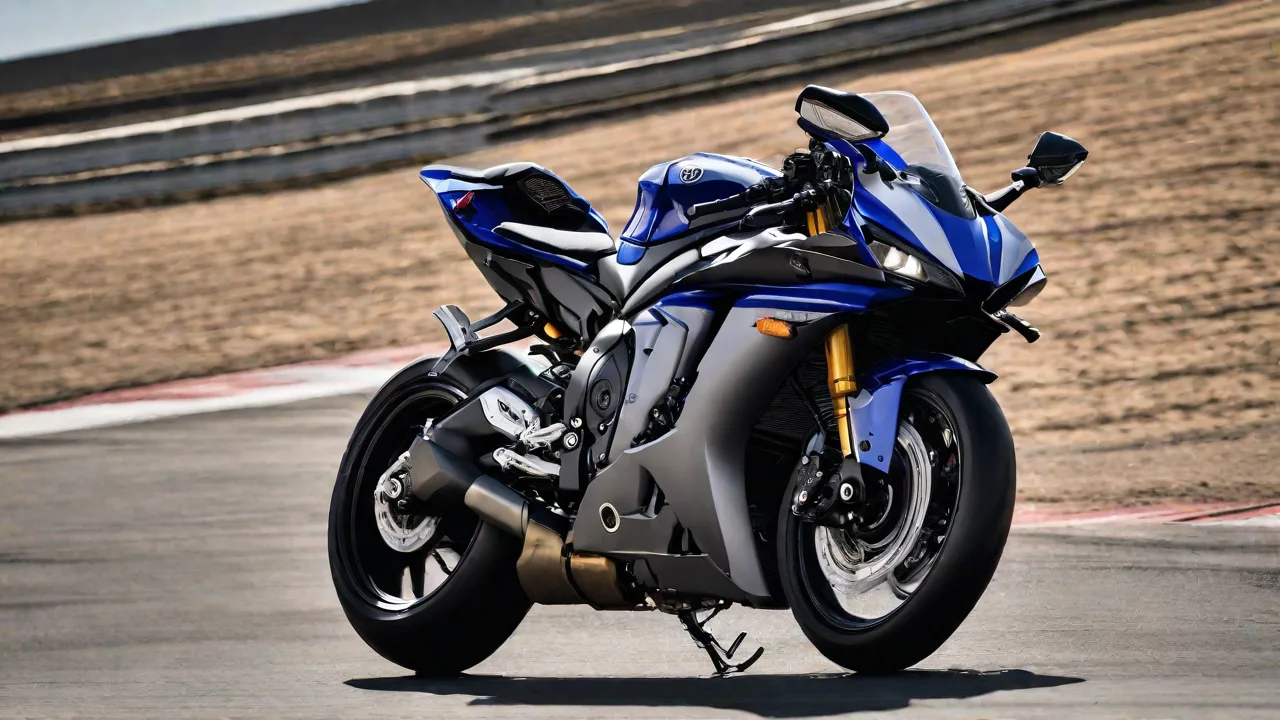
A Closer Look at the Electronics Package on the 2024 Yamaha YZF-R7: Everyday Motorcycles Insights
The 2024 Yamaha YZF-R7 stands out in the middleweight sport bike segment by combining aggressive styling, a responsive engine, and a thoughtfully designed electronics package. This integration of technology is not about overwhelming the rider with complexity but rather about enhancing safety, control, and overall riding enjoyment. Yamaha has taken a balanced approach to electronics, ensuring that the YZF-R7 remains engaging for riders who want a connected yet unfiltered motorcycling experience.
Comprehensive Overview of the YZF-R7 Electronics Package
At the heart of the 2024 Yamaha YZF-R7’s appeal is an electronics suite designed to optimize performance across a variety of riding conditions, from spirited canyon carving to daily commuting. Each electronic component works harmoniously to provide confidence-inspiring control without detracting from the bike’s nimble character.
- Traction Control System (TCS): The YZF-R7 is equipped with an advanced traction control system that continuously monitors rear wheel speed and engine output. When it detects wheel slip during aggressive acceleration, especially on low-grip surfaces such as wet pavement or gravel, the system intervenes by modulating engine torque. This helps prevent loss of traction, allowing riders to confidently accelerate out of corners or on uneven terrain. Notably, Yamaha’s TCS can be adjusted or turned off to suit rider preference and skill level, offering flexibility for riders who want more direct control.
- Anti-lock Braking System (ABS): Safety is a priority on the YZF-R7, and the inclusion of a high-performance ABS system is central to this. The ABS prevents wheel lockup during sudden or hard braking, maintaining stability and steering control while reducing stopping distances. On twisty roads or in emergency situations, ABS helps riders avoid skidding and potential crashes. Yamaha’s system is finely tuned to deliver smooth, predictable intervention without an intrusive feel, preserving rider confidence.
- Riding Modes: The YZF-R7 features multiple selectable riding modes that adjust throttle mapping and power delivery. These modes allow the bike to adapt to changing road conditions or rider moods. For example, a “Sport” mode offers the most aggressive throttle response for spirited riding, while a “Standard” or “Rain” mode provides softer throttle input for improved traction and smoother power delivery in wet or slippery conditions. This versatility makes the YZF-R7 suitable for both novice riders seeking safety and experienced riders looking for performance customization.
- LCD Instrument Panel: Information is key on any modern motorcycle, and the YZF-R7’s fully digital LCD display delivers it clearly and succinctly. The panel shows essential data such as current speed, gear position, fuel level, trip meters, and more. Its high-contrast and backlit design ensure readability in all lighting conditions, from bright sunlight to nighttime rides. The compact layout minimizes distraction, allowing riders to stay focused on the road.
Additional Electronic Features Enhancing the Riding Experience
Beyond the core systems, Yamaha has incorporated subtle electronic refinements that elevate the YZF-R7’s usability and rider interaction.
- Quick Shift System (QSS): The YZF-R7 includes an upshifting quick shifter that allows clutchless gear changes when accelerating. This system reduces shift times and smooths power delivery, enabling faster lap times on the track and more seamless acceleration on the street. While the quick shifter only supports upshifts, it enhances riding fluidity without complicating the gearbox operation.
- Idle Control System: To improve throttle response and prevent stalling during low-speed maneuvers, the bike features an idle control system. This system automatically adjusts engine idle speed when the clutch is engaged or the bike is stopped, making city riding and stop-and-go traffic less stressful.
- Engine Management Unit (ECU): The YZF-R7’s ECU is finely calibrated to balance performance with emissions compliance. It manages fuel injection, ignition timing, and electronic throttle control to ensure smooth power delivery throughout the rev range. The ECU also interfaces with the traction control and ABS systems, creating a cohesive electronic ecosystem.
Yamaha’s Philosophy: Balancing Technology and Rider Engagement
In an era where motorcycles often come loaded with extensive electronic aids, Yamaha’s approach with the YZF-R7 is refreshingly focused. The company deliberately limits the number of electronic interventions to retain the raw and visceral feel of a lightweight sport bike. This philosophy prioritizes rider skill and feedback over automated assistance, creating a more rewarding riding experience.
Many competitors in the middleweight sport bike category feature complex electronics packages including cornering ABS, launch control, or multiple levels of traction control sensitivity. While these systems add value for some riders, they can also introduce complexity and reduce direct rider engagement. Yamaha’s choice to keep the YZF-R7’s electronics straightforward ensures that riders can hone their skills and enjoy the machine without feeling overly assisted or distracted.
Comparing the YZF-R7 Electronics with Competitors
When placed alongside rival bikes like the Kawasaki Ninja 650, Honda CBR650R, and Suzuki GSX650F, the Yamaha YZF-R7’s electronics package holds its own through a blend of essential features and simplicity.
- Kawasaki Ninja 650: Offers traction control and ABS, but lacks multiple riding modes and quick shifter functionality in base models.
- Honda CBR650R: Provides riding modes and ABS, but traction control is often absent or less refined.
- Suzuki GSX650F: Traditionally more basic, with ABS available but fewer electronic aids overall.
Yamaha’s inclusion of adjustable traction control, ABS, riding modes, and a quick shifter in a middleweight sport bike at this price point presents a compelling value proposition. The electronics package strikes a balance between functionality and accessibility that appeals to a wide range of riders.
How the Electronics Package Enhances Safety and Rider Confidence
For many riders, especially those newer to sport bikes, electronics can be the difference between enjoying the ride and feeling overwhelmed. The YZF-R7’s systems provide a safety net that boosts confidence by mitigating common risks such as wheel spin, loss of traction, or wheel lock during braking.
Traction control, for example, allows riders to explore the bike’s performance limits in a controlled manner. When accelerating hard out of corners or on slippery surfaces, the system intervenes subtly but effectively. This can prevent accidents caused by unexpected rear wheel slip, which is a common challenge for less experienced riders.
Similarly, ABS enhances braking safety by preventing wheel lockup, which can cause skidding and loss of control. This is particularly beneficial in emergency braking situations or on wet roads, where stopping distances are longer and traction is reduced.
Riding modes further enhance safety by allowing riders to tailor the bike’s behavior to current conditions. Switching to a rain mode on wet or slick roads softens throttle response, helping maintain smooth power delivery and reducing chances of wheel spin. This adaptability encourages safer riding habits and reduces the likelihood of mistakes.
Real-World Performance: What Riders Are Saying
Owners and reviewers of the 2024 Yamaha YZF-R7 consistently praise the electronics package for its intuitive operation and tangible benefits. Many highlight how the traction control and ABS systems work seamlessly in the background, rarely intruding but always ready to assist when needed.
The quick shifter is frequently mentioned as a welcome upgrade that adds a sporty touch without compromising everyday usability. Riders note that it smooths out gear transitions during spirited riding, making the bike feel more connected and responsive.
Additionally, the clarity of the LCD instrument panel is appreciated for delivering necessary information at a glance without clutter. Riders report minimal distraction, which contributes to safer riding by keeping attention on the road.
Future Outlook: Electronics in Yamaha’s Sport Bike Lineup
Looking ahead, Yamaha is likely to continue evolving the electronics on the YZF-R7 and its sport bike family. As technology advances, features like cornering ABS, more sophisticated traction control with lean-angle sensitivity, and smartphone connectivity may become standard. However, Yamaha’s commitment to balancing technology with rider engagement suggests these upgrades will be implemented thoughtfully to preserve the core riding experience.
For now, the 2024 YZF-R7’s electronics package offers a compelling blend of safety, performance, and simplicity that appeals to a broad spectrum of riders — from beginners seeking confidence to seasoned enthusiasts craving a pure sport bike feel.
Conclusion
The electronics package on the 2024 Yamaha YZF-R7 exemplifies Yamaha’s dedication to delivering a sport bike that is both accessible and exhilarating. By focusing on essential electronic aids such as traction control, ABS, riding modes, and a quick shifter, Yamaha has equipped the YZF-R7 with tools that enhance safety and performance without overshadowing the rider’s connection to the machine.
This balanced approach makes the YZF-R7 a standout choice in the middleweight sport bike segment, offering technology that supports and enhances the riding experience rather than replacing rider skill. Whether carving canyon roads, navigating city traffic, or enjoying weekend track days, the YZF-R7’s electronics package provides confidence, control, and fun in equal measure.